
The Underground Map of SQL Monitor
The "metro map" of SQL Monitor, with sightseeing tips and essential stops along every line....
2020-05-13
The "metro map" of SQL Monitor, with sightseeing tips and essential stops along every line....
2020-05-13

Learn a bit about concurrency problems in SQL Server, the issues they create, and the different isolation levels that help you solve them.
2020-05-12
43,350 reads

In the third and final article of the series, Shel Burkow demonstrates several designs that cover many-to-many relationships, attribute closure, and solution space with Cassandra tables.
2020-05-12

Learn how to use SQL Clone together with Git hooks and SQL Change Automation to branch your database in Git as easily as your code. By enabling multiple copies of the same database to exist on a single instance, the integration of these tools allows seamless database branch switching.
2020-05-12
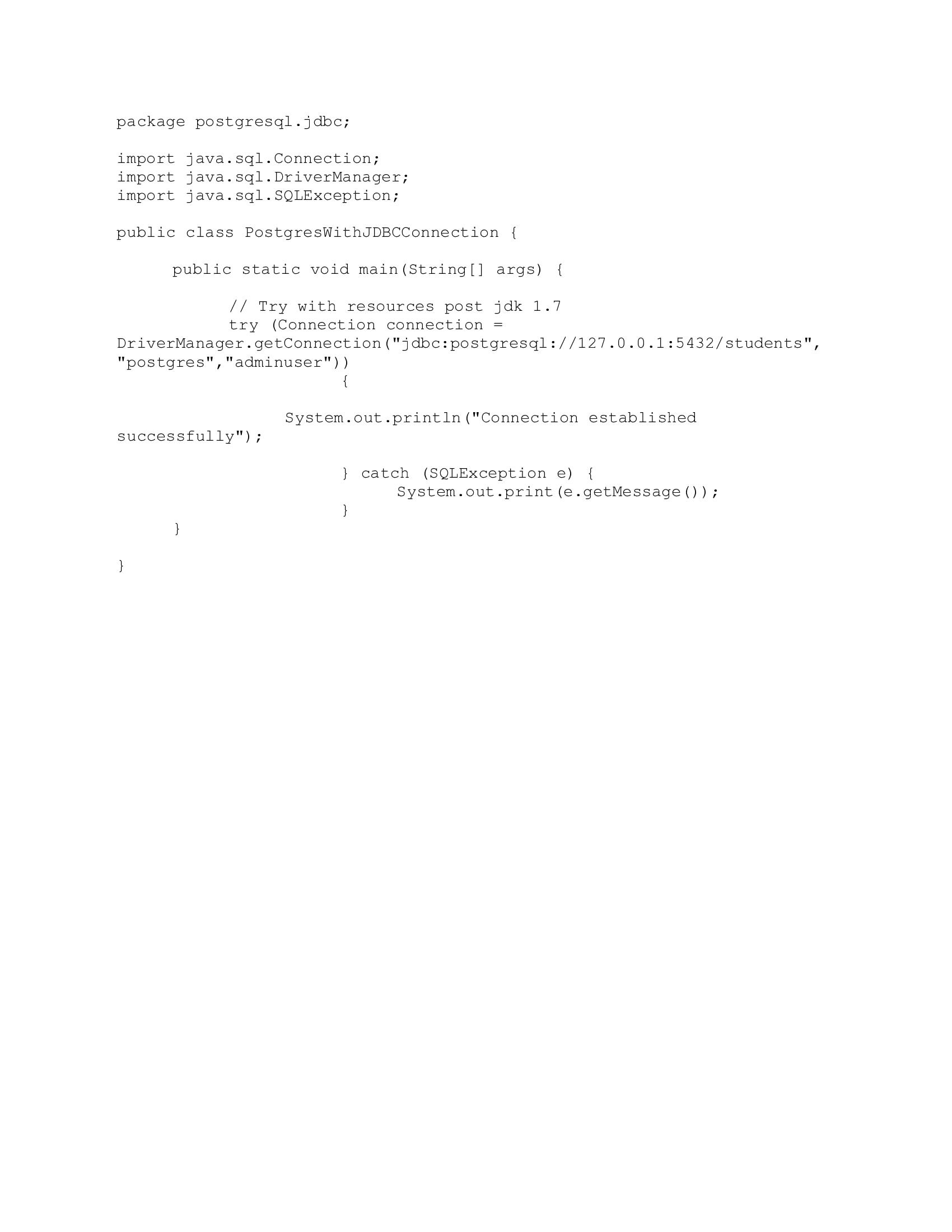
PosgtreSQL is a free and general purpose open source object-relational database system that uses and extends the SQL language. Though originally designed to run on UNIX platforms, Postgres is able to run on various platforms, such as macOS, Solaris, Windows, Unix, and Linux. PostgreSQL databases provide enterprise-class database solutions and are used by a wide […]
2020-05-11
9,878 reads
For some people, it’s not enough to take care of their own households and those of their families and neighbors. They’ve decided it’s important to make a difference in their communities and beyond.
2020-05-11
In the latest version of SQL Change Automation, we enable you to be more flexible in your approach to Database DevOps and combine elements of both state- and migrations- based approaches. Learn more about the new workflow.
2020-05-11
We as DBAs, changing or migrating databases to a new path is important part of admin’s world. This article helps you with the steps involved to move the Critical 'master' database.
2020-05-08 (first published: 2017-12-14)
10,821 reads

The SQL Server set statistics time statement displays the number of milliseconds to parse, compile, and execute a T-SQL query statement. This set statement is widely used to assess times to implement a query statement. The set statistics time statement reports the CPU time and elapsed time for performance tuning.
2020-05-08
Those who work on various databases, or even those who do not, must have come across the term, Dynamic SQL. Dynamic SQL is basically a programming technique that enables you to build SQL statements dynamically at run time. It allows you to create more general purpose flexible SQL statement because the full text of the […]
2020-05-07
3,780 reads
By SQLPals
How to Clear the SSMS Cache (SSMS 21 and Later) Updated...
By Arun Sirpal
“What exactly did it do on my server?” is the first question a DBA...
By James Serra
Microsoft shared a broad set of Fabric, Power BI, and SQL updates at FabCon...
Comments posted to this topic are about the item It's Never Just One Thing
Comments posted to this topic are about the item Calculating Min-Max Normalization in PowerBI
Comments posted to this topic are about the item Checking the Error Log III
If I want to run sp_readerrorlog on SQL Server 2025, what permissions do I need?
See possible answers