Articles

External Article

Long Short-Term Memory Network for Machine Learning

While Recurrent Neural Networks (RNN) are powerful, they often struggle with long-term dependencies due to the vanishing gradient problem. Long Short-Term Memory Networks (LSTMs) address this issue by introducing memory cells and gates. For beginners, understanding LSTM components, such as the input, output, and forget gates, can be challenging. This tip breaks down LSTMs in an intuitive way, highlighting their importance and practical applications.

2025-08-22

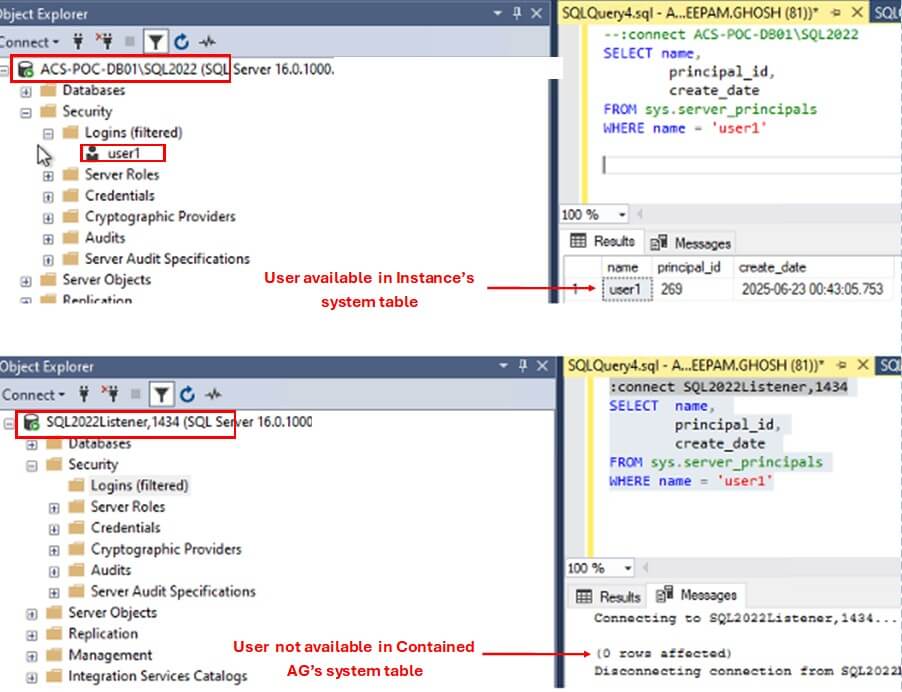
Contained Availability Groups in SQL Server 2022

SQL Server 2022 introduced a new feature called Contained Availability Groups. It allows the Database Administrators to effectively manage the Server Level objects, such as Logins, SQL Agent jobs, etc. in an HA environment. In today's article, we will learn about this new feature of SQL Server. The Challenge of Managing Server Objects in Availability […]

You rated this post out of 5. Change rating

2025-08-20

9,362 reads

Blogs

T-SQL Tuesday #196 – Two risky career decisions I made

By

The T-SQL Tuesday topic this month comes James Serra. What career risks have you...

T-SQL Tuesday #192: What career risks have you taken?

By

This T-SQL Tuesday is hosted by the one and only James Serra – literally...

T-SQL Tuesday #196: Taking Risks

By

This month we have a new host, James Serra. I’ve been trying to find...

Read the latest Blogs

Forums

would it be so terrible to install ssms on a few user desktops?

By stan

Hi, ssms is free here.   I can think of other reasons to do this...

I'm thinking about submitting some articles

By Doctor Who 2

I've written some documentation on using different Markdown types of files on GitHub. It's...

Not Just an Upgrade

By Steve Jones - SSC Editor

Comments posted to this topic are about the item Not Just an Upgrade

Visit the forum

Question of the Day

Restoring On Top I

I am doing development work on a database and want to keep a backup so I can reset my database. I make some changes and want to restore over top of my changes. When I run this code, what happens?

USE Master
BACKUP DATABASE DNRTest TO DISK = 'dnrtest.bak'
GO

USE DNRTest
GO
CREATE TABLE MyTest(myid INT)
GO
USE master
RESTORE DATABASE DNRTest FROM DISK = 'dnrtest.bak' WITH REPLACE

See possible answers