
Smarter Design
Many of us have used PowerPoint, which has grown smarter through the use of Machine Learning.
Many of us have used PowerPoint, which has grown smarter through the use of Machine Learning.

In one of the article, Considerations for Deploying Azure SQL Database Managed Instances, recently published on this site, basic characteristics of Azure SQL Database Managed Instance were described. Its biggest selling points include nearly full compatibility with on-premises SQL Server deployments, support for SQL Server Agent, and additional security associated with its Azure virtual network integration.

The "metro map" of SQL Monitor, with sightseeing tips and essential stops along every line....

Learn a bit about concurrency problems in SQL Server, the issues they create, and the different isolation levels that help you solve them.
Many more companies that you have heard about have been attacked by ransomware. Steve suggests you get prepared before this happens to you.

In the third and final article of the series, Shel Burkow demonstrates several designs that cover many-to-many relationships, attribute closure, and solution space with Cassandra tables.

Learn how to use SQL Clone together with Git hooks and SQL Change Automation to branch your database in Git as easily as your code. By enabling multiple copies of the same database to exist on a single instance, the integration of these tools allows seamless database branch switching.
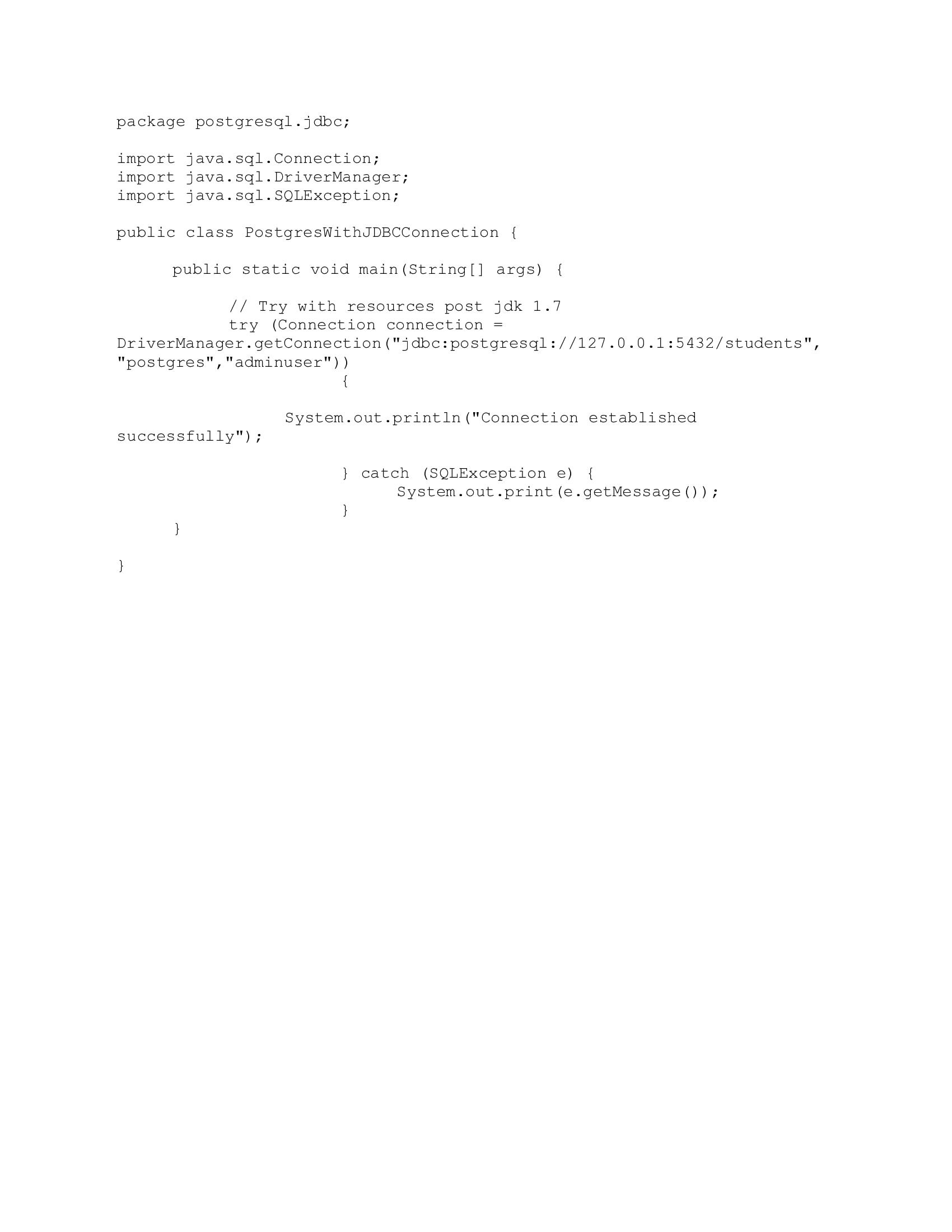
PosgtreSQL is a free and general purpose open source object-relational database system that uses and extends the SQL language. Though originally designed to run on UNIX platforms, Postgres is able to run on various platforms, such as macOS, Solaris, Windows, Unix, and Linux. PostgreSQL databases provide enterprise-class database solutions and are used by a wide […]
For some people, it’s not enough to take care of their own households and those of their families and neighbors. They’ve decided it’s important to make a difference in their communities and beyond.
By Zikato
A cryptic message, a book cipher hidden in art provenance records, and a trail...
By Steve Jones
A customer was trying to compare two tables and capture a state as a...
By Zikato
When I'm looking at a query, I bet it's bad if I see... a...
Comments posted to this topic are about the item BIT_COUNT II
Comments posted to this topic are about the item I Can't Make You Learn
Comments posted to this topic are about the item Why Your SQL Permissions Disappeared
In SQL Server 2025, I have a table (dbo.UserPermission) that contains this data:
UserID  UserPermissions
15
23
37
4       NULL
What is returned when I run this code:
select bit_count(UserPermissions) as PermissionCount
from dbo.UserPermission
where UserID = 4;
See possible answers