
Introducing sp_AzSQLDBPermissions (Beta)
I’ve written a version of my permissions scripts for Azure SQL Database. It’s still in Beta but I’m confident enough ... Continue reading
2019-07-11 (first published: 2019-06-27)
409 reads
I’ve written a version of my permissions scripts for Azure SQL Database. It’s still in Beta but I’m confident enough ... Continue reading
2019-07-11 (first published: 2019-06-27)
409 reads

I should start off by mentioning that this post is applicable to sql server versions 2012 and up. If you have an older version of sql server, the solution...
2019-07-09 (first published: 2019-06-26)
1,865 reads
Next month, Microsoft is ending five years of extended support on SQL Server 2008 and SQL Server 2008 R2. This follows five years of mainstream support before that. You...
2019-06-26
69 reads
Recently I reviewed filtered indexes, this time let’s look at columnstore indexes. These indexes are very useful for data warehouse workloads and large tables. They can improve query performance...
2019-07-11 (first published: 2019-06-26)
1,302 reads
As I’ve been learning more about the data platform, I’ve been exposed to some R language code. This makes sense, as more comprehensive data analysis needs something other than...
2019-07-12 (first published: 2019-06-26)
555 reads
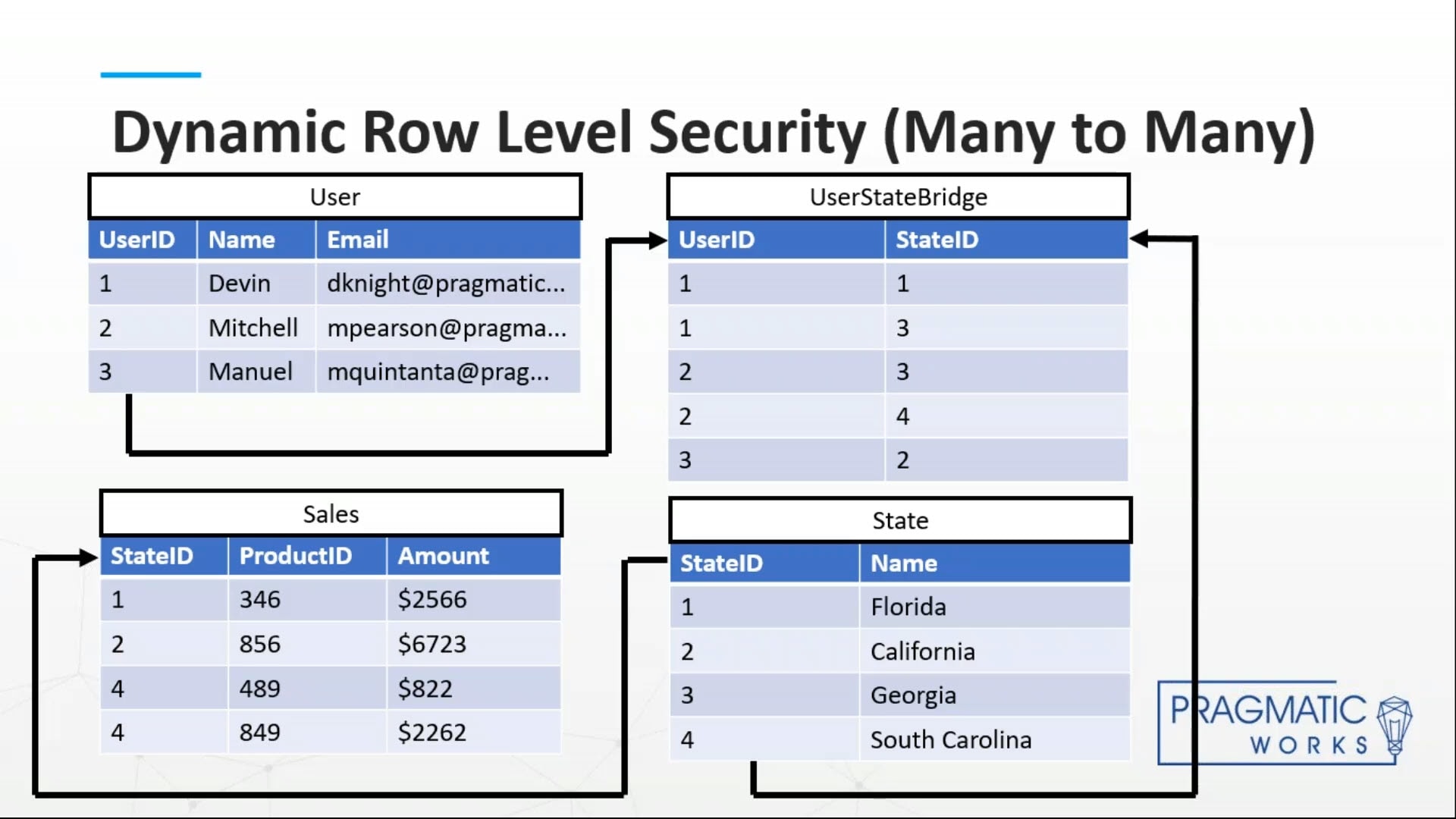
In this webinar I discussed designing a Power BI model to plan for either a simple or complex row level security scenario.
2019-06-25
55 reads
Building your database code is an essential practice to ensure that it compiles from source and that dependencies are met. But things can get tricky when you have objects...
2019-06-25
36 reads
The Microsoft Power Platform consists of three products: Power BI, PowerApps, and Microsoft Flow. I find customers are confused on the use cases of these products and how they...
2019-07-08 (first published: 2019-06-25)
325 reads
It’s time for a little bit of change to occur. I am no longer a Product Evangelist for Redgate Software. No, they haven’t fired me and I haven’t quit....
2019-06-25
43 reads
I am proud to announce that I am presenting at this year’s PASS Summit conference, to be held in Seattle WA from November 5th to 8th at the Washington...
2019-06-25
14 reads
Recently, in an attempt to thwart leechers (1990s kids will know), I added some...
Once upon a time I had a series about some cool stuff in Snowflake:...
By Steve Jones
“Most overnight successes – in fact any significant successes – take at least 5...
Comments posted to this topic are about the item Why Successful SQL Server Backups...
Comments posted to this topic are about the item Adding Bits II
Comments posted to this topic are about the item An Unlimited Token Budget
I have a table, dbo.bittest, where I am testing an application response. This has this structure:
CREATE TABLE [dbo].[BitTest]
(
[insertdate] [datetime] NULL CONSTRAINT [DF__BitTest__insertd__300F11AC] DEFAULT (getdate()),
[a] [bit] NULL
) ON [PRIMARY]
GO
My application runs this code:
INSERT dbo.BitTest
(
    insertdate,
    a
)
VALUES
(DEFAULT, true)
GO
See possible answers