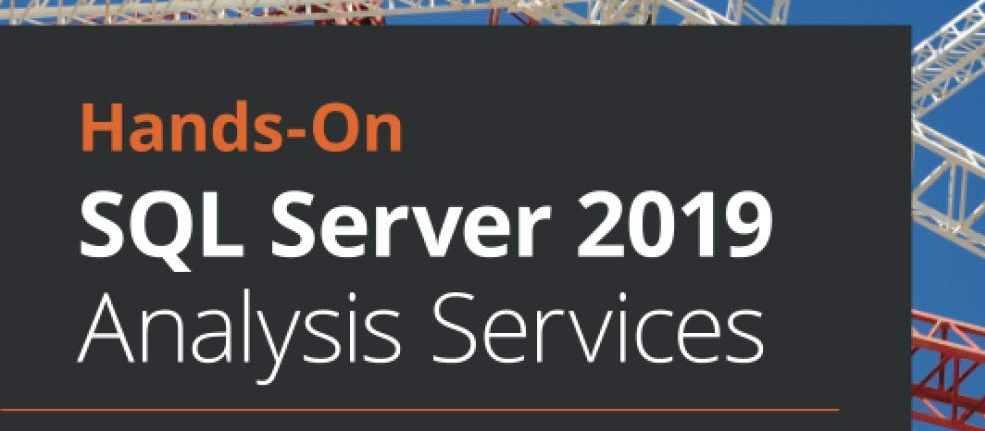
I Wrote a Book – Hands-On SQL Server 2019 Analysis Services
While not the first time I have authored, this is the first book that I wrote as the sole author. Analysis Services is the product I built my career...
2020-11-20
18 reads
While not the first time I have authored, this is the first book that I wrote as the sole author. Analysis Services is the product I built my career...
2020-11-20
18 reads
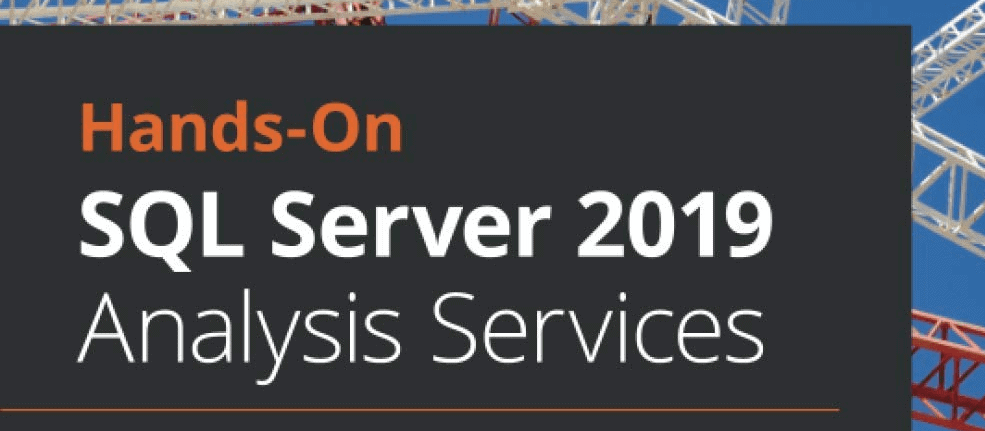
While not the first time I have authored, this is the first book that I wrote as the sole author. Analysis Services is the product I built my career...
2020-11-20
132 reads

In this article, I have shown how to use the power of custom server roles to help reduce your administration time. The custom security role is like using a...
2020-11-20
11 reads
In this article, I have shown how to use the power of custom server roles to help reduce your administration time. The custom security role is like using a...
2020-11-20
8 reads
In this article, I have shown how to use the power of custom server roles to help reduce your administration time. The custom security role is like using a...
2020-11-20
18 reads
In this article, I have shown how to use the power of custom server roles to help reduce your administration time. The custom security role is like using a...
2020-11-20
11 reads
In this article, I have shown how to use the power of custom server roles to help reduce your administration time. The custom security role is like using a...
2020-11-20
9 reads
In this article, I have shown how to use the power of custom server roles to help reduce your administration time. The custom security role is like using a...
2020-11-20
15 reads
In this article, I have shown how to use the power of custom server roles to help reduce your administration time. The custom security role is like using a...
2020-11-20
13 reads
In this article, I have shown how to use the power of custom server roles to help reduce your administration time. The custom security role is like using a...
2020-11-20
12 reads
By Steve Jones
I caught this interesting item over on Pinal Dave’s blog: Eleven Interview Questions that...
By Hemantgiri
I use color-coded connections in SSMS to distinguish Production, Pre-Production, UAT, and Development. But...
Comments posted to this topic are about the item Building a SQL Server Fleet...
Comments posted to this topic are about the item Smart AI Agents and Data...
Comments posted to this topic are about the item RegEx Functions IV
I have this data in a table in a SQL Server 2025 database:
EmailAddressID EmailAddress
7              dylan0@ADVENTURE-WORKS.COM
8              Diane1@ADVENTURE-WORKS.COM
If I run this query, which row(s) are returned?
SELECT top 10
 *
 FROM person.EmailAddress
 WHERE REGEXP_LIKE(EmailAddress, '^D', 'i')
 AND BusinessEntityID IN (7,8)
See possible answers