
Statistics Parser
In the last post we looked at using the STATISTICS IO and STATISTICS TIME commands to measure query performance.
If you’ve...
2017-06-14 (first published: 2017-05-31)
2,612 reads
In the last post we looked at using the STATISTICS IO and STATISTICS TIME commands to measure query performance.
If you’ve...
2017-06-14 (first published: 2017-05-31)
2,612 reads
Bit of a powershell themed post this week as I haven’t had that much time to research so this one...
2017-06-13 (first published: 2017-05-31)
1,194 reads
If you’ve ever searched for SQL Server parameter sniffing you’ve probably read all sorts of bad things about it. In...
2017-05-31
167 reads
simple setup
A major improvement that seems to have quietly slipped into the sql developers world is an improved SQLServer powershell...
2017-06-19 (first published: 2017-05-31)
2,245 reads
By Steve Bolton
…………To avoid overloading readers with too many concepts at once, I split my discussion of Dempster-Shafer Evidence...
2017-05-31
787 reads
As a continuation of “Database Monitoring using DMV” series, this blog will cover how quickly you can address the log...
2017-06-14 (first published: 2017-05-31)
5,808 reads
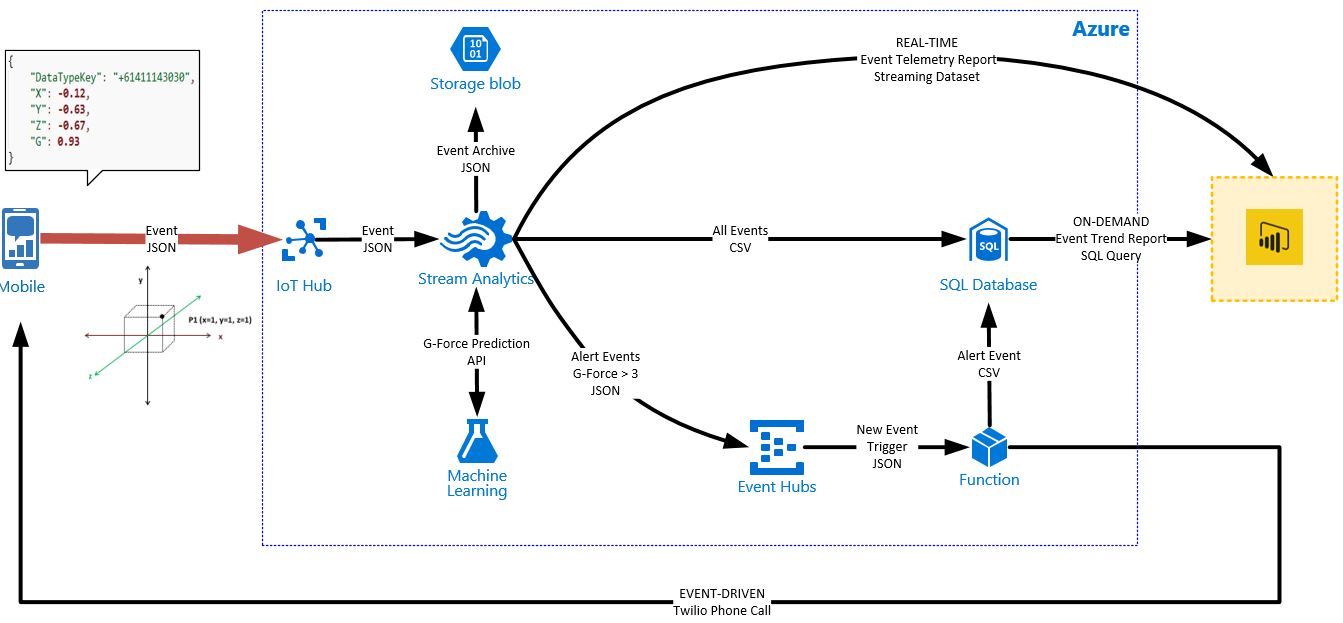
Recently I did a presentation at our local SQL Server User Group (SSUG) on Managing Streaming Data Pipelines Using Azure Data Services and as such wanted to build out...
2017-05-30
27 reads
[read this post on Mr. Fox SQL blog]
Recently I did a presentation at our local SQL Server User Group (SSUG) on Managing...
2017-05-30
1,286 reads
Continuation from the previous 105 parts, the whole series can be found at http://www.nikoport.com/columnstore/.
One of the most important and recurring...
2017-05-30
925 reads
A question that I answer what seems like all the time is how to run cross-database queries against Azure SQL...
2017-05-30
528 reads
By Steve Jones
I was experimenting with CHOOSE() recently after I was asked a question. In a...
By DesertDBA
I did not expect 27 responses to my T-SQL Tuesday #204 invitation, but it...
Should you adopt an off-the-shelf AI tool, partner with a specialist, build in-house, or...
Has anyone ever seen this before? I have sysadmin permission on a server. I...
Comments posted to this topic are about the item Switching Schema II
Comments posted to this topic are about the item A Practical Approach to Automating...
I run this query:
SELECT
 s.name AS schemaname
 , o.name AS objectname
 FROM sys.objects o
 INNER JOIN sys.schemas s ON s.schema_id = o.schema_id
 WHERE o.name = 'Beer'
I get two rows back for the objects, named dbo.beer and etl.beer. Both the tables have identical schemas and are not partitioned. There are 25 rows in dbo.beer and 0 rows in etl.beer. I run this code:
ALTER TABLE dbo.beer switch TO etl.beerWhat happens? See possible answers