
Why Databases Still Fascinate Me
I get asked a lot about why or how I began working with databases years ago. I did not wake up one day and decide, “I am going to...
2025-11-28 (first published: 2025-11-10)
457 reads
I get asked a lot about why or how I began working with databases years ago. I did not wake up one day and decide, “I am going to...
2025-11-28 (first published: 2025-11-10)
457 reads
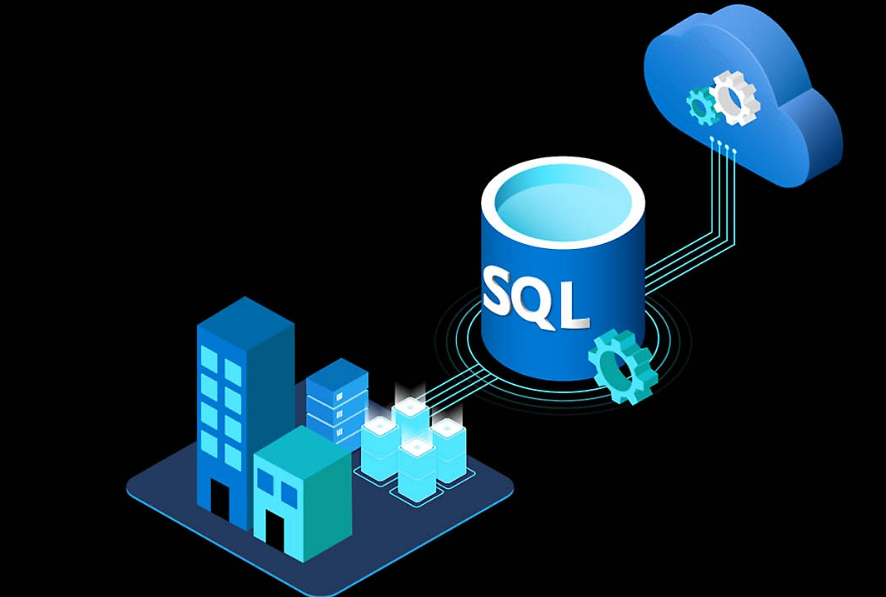
When Microsoft announced SQL Server 2025, I was curious about what would truly change the way developers and DBA’s interact with data. Over the years, we have seen incremental...
2025-11-26 (first published: 2025-11-05)
752 reads

When it comes to managing complex database environments, having the right monitoring solution is critical. That’s why I’ve relied on Redgate Monitor at different points in my career. It...
2025-11-17 (first published: 2025-11-02)
315 reads

Trust is the currency of the data economy. Without it, even the most advanced platforms and the most ambitious strategies collapse under the weight of doubt. For Chief Data...
2025-10-30
41 reads

In today’s data-driven world, observability is not an optional add-on but a foundational principle. As organizations adopt Microsoft Fabric to unify analytics, the ability to see into the inner...
2025-10-27
63 reads

Change is inevitable. What separates thriving organizations from those that falter is not the scale of disruption but how leaders respond to it. In times of shifting technologies, evolving...
2025-11-12 (first published: 2025-10-20)
370 reads

For decades, enterprises have thought about data like plumbers think about water: you build pipelines, connect sources to sinks, and hope the pipes do not burst under pressure. That...
2025-11-05 (first published: 2025-10-17)
484 reads

There was a time when the Chief Data Officer lived in the shadows of the enterprise. Their office lights burned late into the night as they combed through spreadsheets...
2025-10-14
44 reads

For decades, enterprises have approached data management with the same mindset as someone stuffing everything into a single attic. The attic was called the data warehouse, and while it...
2025-10-29 (first published: 2025-10-09)
358 reads
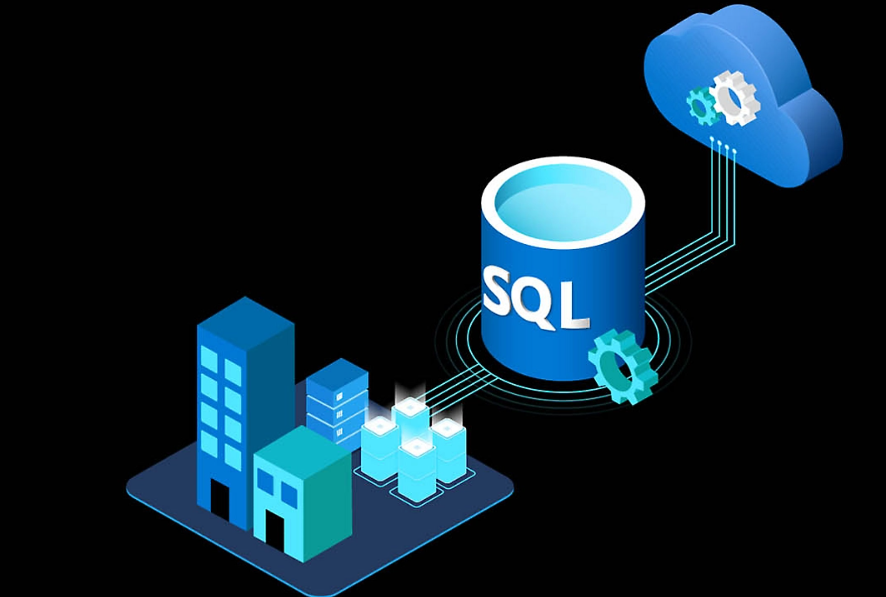
There are moments in technology when the ground shifts beneath our feet. Moments when the tools we once thought of as reliable utilities suddenly become engines of transformation. SQL...
2025-10-06
182 reads
Your AI is busy. But do you know what it's worth? Most companies can...
By Brian Kelley
I wear many hats in technology, and one of those is as a (cyber)security...
By Steve Jones
We keep adding stuff to Redgate Monitor, and it’s easy to miss some of...
Wa:083849450961 Jl. Raden Saleh Raya No.17A No. 13, 15, RT.1/RW.2, Kenari, Kec. Senen, Kota...
Comments posted to this topic are about the item Azure SQL Hyperscale Unveiled
Hi. What is the most difficult aspect of using monitoring software like idera, redgate,...
What are vectors in SQL Server 2025, as related to the new AI features?
See possible answers