
Query to Email….Well Formatted Email
When I get alerts from SQL Server I want it to do three things for me. Tell me what’s wrong, show me the data, then tell me how to...
2025-04-10
157 reads
When I get alerts from SQL Server I want it to do three things for me. Tell me what’s wrong, show me the data, then tell me how to...
2025-04-10
157 reads
One of my servers wasn’t rebooted when it should have been and I never realized it until after the outage...
2016-06-01
543 reads
One of my servers wasn’t rebooted when it should have been and I never realized it until after the outage was over. The big deal wasn’t that it didn’t...
2016-06-01
73 reads
I hinted at file growths in my previous posts about shrinking data and log files. Then I talked about growing...
2016-04-11 (first published: 2016-03-29)
1,963 reads
I hinted at file growths in my previous posts about shrinking data and log files. Then I talked about growing log files in my post Database Log VLFs. However,...
2016-03-29
44 reads
How fast are your databases growing? Should I panic about a 1 TB database that has 100 GB free on...
2016-03-21
675 reads
How fast are your databases growing? Should I panic about a 1 TB database that has 100 GB free on disk? Am I safe with a 100 GB database...
2016-03-21
47 reads
You can run queries against multiple servers at once, and it’s quite useful for a number of reasons. I use...
2016-03-14
730 reads
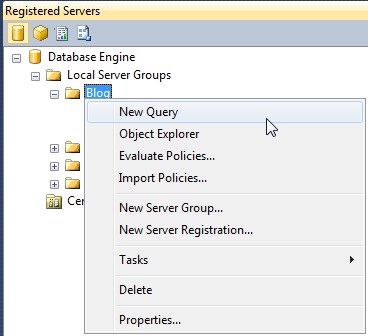
Setting up registered servers and practical uses of multiserver queries in SSMS.
2016-03-14
45 reads
Recompiles can be a hidden bottleneck on your server, and it may not be too obvious. I should know, it...
2016-03-17 (first published: 2016-03-07)
1,668 reads
By Arun Sirpal
“What exactly did it do on my server?” is the first question a DBA...
By James Serra
Microsoft shared a broad set of Fabric, Power BI, and SQL updates at FabCon...
By Steve Jones
No, I’m not quitting or retiring. Just going on vacation, but I leave tonight...
Comments posted to this topic are about the item Let's Talk Certifications, which is...
Comments posted to this topic are about the item The Hidden Security Risks of...
Comments posted to this topic are about the item The Empty Aggregate
I have this table in a SQL Server 2025 database:
CREATE TABLE [dbo].[CustomerOrder]
(
[OrderID] [int] NULL,
[CustomerID] [int] NULL,
[total] [money] NULL
) ON [PRIMARY]
GO
What is returned from this code? (answers are for the sum and then the count)
SELECT SUM(total) AS sum,
       COUNT(total) AS count
FROM dbo.CustomerOrder;
See possible answers