
Build a SQL Cluster Lab Part 4
You are going to create a SQL Server Failover Cluster Instance in Part 4 of our series on how to build a SQL Cluster Lab. The FCI will only...
2019-11-18
17 reads
You are going to create a SQL Server Failover Cluster Instance in Part 4 of our series on how to build a SQL Cluster Lab. The FCI will only...
2019-11-18
17 reads
You are going to create a SQL Server Failover Cluster Instance in Part 4 of our series on how to build a SQL Cluster Lab. The FCI will only...
2019-11-18
42 reads
Anecdotally any session_id that’s 50 or less is going to be a system session and anything over 50 will be ... Continue reading
2019-11-18
40 reads
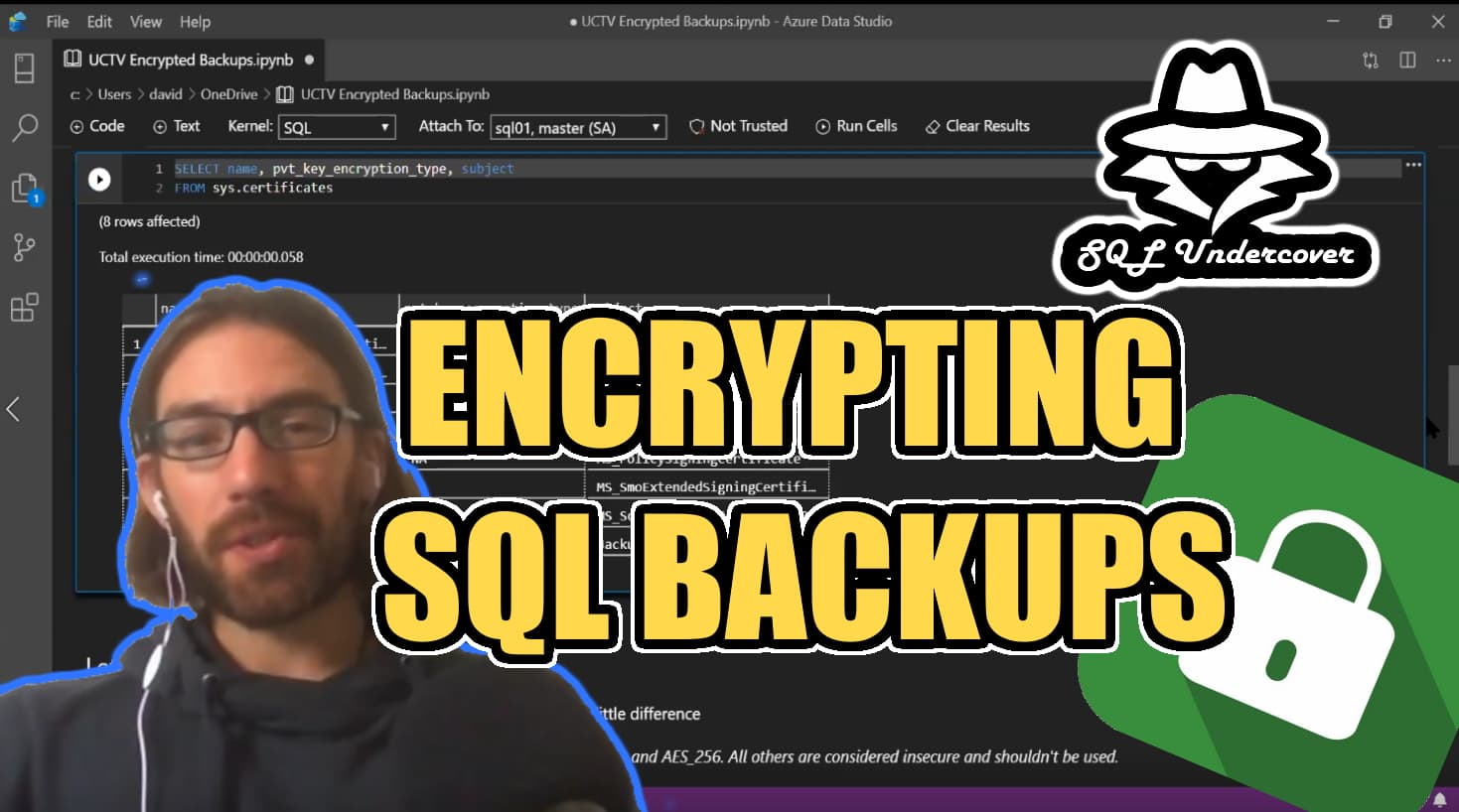
In this episode, David looks at how we can encrypt our SQL Server backup files
2019-11-26 (first published: 2019-11-18)
261 reads
I’ve seen a few people online asking how to use docker named volumes with the new SQL Server 2019 RTM images. Microsoft changed the way SQL runs within a...
2019-11-25 (first published: 2019-11-18)
3,719 reads
We hold our event at a local college. The way it works is our contact tries to reserve ALL of the rooms in the building because we will end...
2019-11-18
17 reads
2019-11-16
20 reads
2019-11-16
29 reads
Hiring consultants is like buying a new washing machine. In other words, you get what you pay for some times. A couple of months ago, my washer and dryer...
2019-11-15
9 reads
This week we released SQL Prompt 10, which is an exciting milestone for us. I remember when I discovered this little gem for Database Weekly and sent it over...
2019-11-15
133 reads
By Brian Kelley
The concern that a particular technology is going to destroy the world seems to...
The STIG is detailed, which is a good thing, but I found myself wanting...
By Steve Jones
After my session at VSLive last week, I had a few questions from the...
Comments posted to this topic are about the item RegEx Functions III
Comments posted to this topic are about the item Optimized Locking in SQL Server...
Comments posted to this topic are about the item Finely Tuned Models
If I run the REGEXP_LIKE() function, does it match values in a case-sensitive fashion, or a case-insensitive fashion by default.
See possible answers