
Secure Your Data Prep Area
I’ve been building ETL processes for many years, and I’ve learned two universal truths: data preparation is messy, and you must always secure your data prep area. A data...
2020-06-18
22 reads
I’ve been building ETL processes for many years, and I’ve learned two universal truths: data preparation is messy, and you must always secure your data prep area. A data...
2020-06-18
22 reads
On July 11 at 3pm MDT, Rob Farley and I will be hosting a webinar on report design in Power BI. We will take a report that does not...
2020-06-18
18 reads
Another post for me that is simple and hopefully serves as an example for people trying to get blogging as #SQLNewBloggers. I created a few sequence objects lately to...
2020-06-17
21 reads
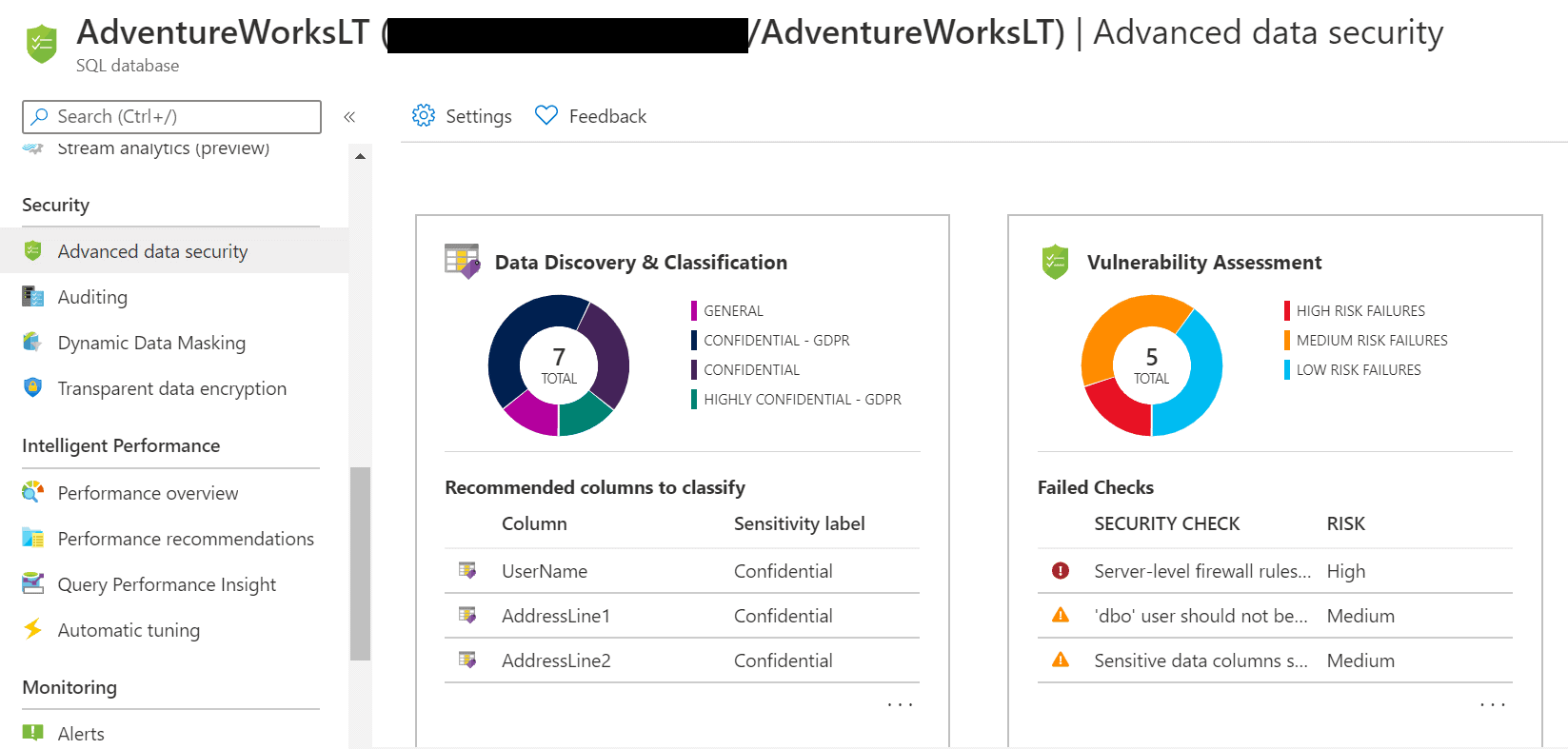
I presented at the virtual Minnesota SQL Server User Group meeting on June 16, 2020. The topic was data classification with SQL Server 2019 and Azure SQL Database. Data...
2020-06-17
69 reads
This week we’re looking at how the database engine stores GUIDs (globally unique identifiers), specifically known as UNIQUEIDENTIFIER in SQL Server. If you would like to read about storage...
2020-06-17
17 reads
I’ve started to add a daily coping tip to the SQLServerCentral newsletter and to the Community Circle, which is helping me deal with the issues in the world. I’m...
2020-06-17
19 reads
A quick post today about moving across database tiers. As you can see below I have a General Purpose Serverless Gen 5 1 vCore database (currently paused). Can I...
2020-06-17
476 reads
Under compatibility level 150, in both SQL Server 2019 and Azure SQL Database, you now can use batch mode for CPU-bound analytic type workloads without requiring columnstore indexes. There...
2020-06-16
74 reads
Under compatibility level 150, in both SQL Server 2019 and Azure SQL Database, you now can use batch mode for CPU-bound analytic type workloads without requiring columnstore indexes. There...
2020-06-29 (first published: 2020-06-16)
915 reads

SQL Server, Virtualization and Storage expert David Klee (b|t)stops by to tell stories ?? Fun stuff: “English and Gibberish” “Learn it like you’re going to teach it” “Kevin Kline...
2020-06-16
97 reads
By SQLPals
How to Clear the SSMS Cache (SSMS 21 and Later) Updated...
By Arun Sirpal
“What exactly did it do on my server?” is the first question a DBA...
By James Serra
Microsoft shared a broad set of Fabric, Power BI, and SQL updates at FabCon...
Comments posted to this topic are about the item Let's Talk Certifications
Comments posted to this topic are about the item The Hidden Security Risks of...
Comments posted to this topic are about the item The Empty Aggregate
I have this table in a SQL Server 2025 database:
CREATE TABLE [dbo].[CustomerOrder]
(
[OrderID] [int] NULL,
[CustomerID] [int] NULL,
[total] [money] NULL
) ON [PRIMARY]
GO
What is returned from this code? (answers are for the sum and then the count)
SELECT SUM(total) AS sum,
       COUNT(total) AS count
FROM dbo.CustomerOrder;
See possible answers