
Delete activity in Azure Data Factory - Cleaning up your data files
(2019-Mar-20) File management may not be at the top of my list of priorities during data integration projects. I assume that...
2019-04-09 (first published: 2019-03-20)
4,578 reads
If you can use a database to create automation routines to help sustain your work life, you can certainly do the same to sustain your personal life. Databases are...
2019-04-09
144 reads
If you can use a database to create automation routines to help sustain your work life, you can certainly do the same to sustain your personal life. Databases are...
2019-04-09
12 reads
This month’s T-SQL Tuesday blog is brought to us by Todd Kleinhans (b | t) and this month topic is about what you use databases in your personally life. ...
2019-04-09
32 reads
This month’s T-SQL Tuesday blog is brought to us by Todd Kleinhans (b | t) and this month topic is about what you use databases in your personal life. ...
2019-04-09
14 reads
This month’s T-SQL Tuesday blog is brought to us by Todd Kleinhans (b | t) and this month topic is about what you use databases in your personal life. ...
2019-04-09
11 reads
This month’s T-SQL Tuesday comes from Todd Kleinhans (blog | twitter) who wants to know what we’re doing with databases outside of work.
I’m curious- outside of work and...
2019-04-09
31 reads
This month we have a really interesting question for the T-SQL Tuesday invitation. Todd Kleinhans is the host and asks about personal databases. Do we use them for anything?...
2019-04-09
57 reads
March is Women’s History Month, to celebrate the PASS Women in Technology Virtual Group (@PASS_WIT) held a webcast featuring prominent...
2019-04-09 (first published: 2019-03-20)
1,050 reads
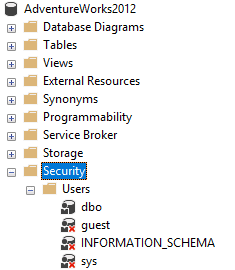
Ever tried to drop a user/login, only to find that they owned a schema? Here's how I do it...
2019-04-08
209 reads
By Steve Jones
I’ve become an EV guy. I was talking with a friend who was selling...
In a previous post I talked about how we can use T-SQL Snapshot Backups...
By Steve Jones
A bit of a photo dump, but a few fun memories for me from...
Comments posted to this topic are about the item How to connect your SQL...
Comments posted to this topic are about the item Finding the Black Friday Sales...
Earlier this week I had an issue with a Win 8.1 laptop I was...
We are tracking sales for Black Friday today. We have these aggregate values:
CREATE TABLE dbo.BlackFridaySales
(
    Product NVARCHAR(50) NOT NULL PRIMARY KEY,
    Units   INT          NOT NULL
);

INSERT INTO dbo.BlackFridaySales (Product, Units)
VALUES (N'55" TV',          900),
       (N'Air Fryer',       500),
       (N'Noise-Cancel Headphones', 500),
       (N'Robot Vacuum',    300);
I'm trying to get a ranking of the sales that would return 1, 2, 2, 3 for the product levels. Which query does this? See possible answers