
How SQL Server stores data types: DATETIMEOFFSET
If you’d like to check out the previous instalment in this series on storing dates and times, click here. I avoided mentioning this data type because I didn’t think...
2021-06-16
35 reads
If you’d like to check out the previous instalment in this series on storing dates and times, click here. I avoided mentioning this data type because I didn’t think...
2021-06-16
35 reads
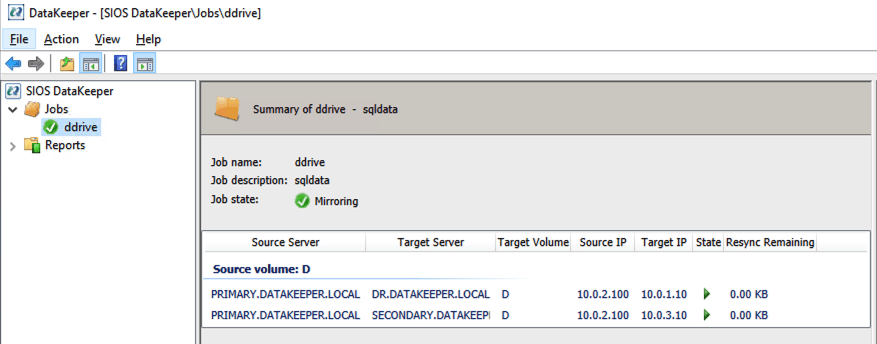
I often help people automate the configuration of their infrastructure so they can build 3-node clusters that span Availability Zones and Regions. The CLI for creating a DataKeeper Job...
2021-06-16 (first published: 2021-06-01)
198 reads
One of the tasks, we often do with migration projects is move large volumes of data. Depending on how you are configured, you may need to do the migration...
2021-06-16 (first published: 2021-06-01)
2,403 reads

The Atavist Magazine, known for its in-depth journalism and creative, elegant design, joins sister site Longreads, making WordPress.com a home for the web’s best longform storytelling.
2021-06-16
19 reads
2021-06-15
15 reads
2021-06-15
7 reads
I started to add a daily coping tip to the SQLServerCentral newsletter and to the Community Circle, which is helping me deal with the issues in the world. I’m...
2021-06-15
11 reads
Disasters big and small happen, and as data professionals, you should be prepared for the worst! I’m thrilled to announce that we’re launching the Microsoft Data Platform Continuity Virtual...
2021-06-15
18 reads
(2021-May-31) Recently, I created a prototype solution for one of the projects, that would copy data files from Azure to SharePoint location. The task is trivial, doesn't require a lot...
2021-06-14 (first published: 2021-05-31)
200 reads
One of the things I’ve done the last few years is collect statistics as a coach for the kids I work with. Helping them understand how they are performing...
2021-06-14
15 reads
By Steve Jones
It’s Prime Day. A few of my recommendations, since I want to do some...
With Fabric Mirroring, Microsoft is promoting a nice and appealing story for operational reporting...
If you’ve been watching AI roll through the data community and thinking, “this seems...
Comments posted to this topic are about the item SQL Art, Part 4: Happy...
WhatsApp:0818-751-777 Jl. Kalierang No.Ruko 3-5, Dukuhturi, Kec. Bumiayu, Kabupaten Brebes, Jawa Tengah 52273 (@bcakcpbumiayu)
WhatsApp:0818-751-777 Menara Satu Sentra Klp. Gading, Jl. Boulevard Bar. Raya No.1 Lt. Dasar, 1,...
I set up a few users on my SQL Server 2022 instance.
CREATE LOGIN User1 WITH PASSWORD = 'Demo12#1'
CREATE USER User1 FOR LOGIN User1
GO
CREATE LOGIN User2 WITH PASSWORD = 'Demo12#2'
CREATE USER User2 FOR LOGIN User2
GO
CREATE LOGIN User3 WITH PASSWORD = 'Demo12#3'
CREATE USER User3 FOR LOGIN User3
GO
I then created a schema that one of them owned. Under this schema, I added a table with some data.
CREATE SCHEMA MySchema AUTHORIZATION User1
GO
CREATE TABLE Myschema.MyTable(myid INT)
GO
INSERT MySchema.MyTable
(
    myid
)
VALUES
(1), (2), (3)
GO
SELECT * FROM MySchema.MyTable
GO
I granted rights and verified that User2 could access this table.
GRANT SELECT ON Myschema.MyTable TO User2
GO
SETUSER 'USER2'
GO
SELECT * FROM MySchema.MyTable
GO
This worked. Now, I move this schema to a new user.
ALTER AUTHORIZATION ON SCHEMA::Myschema TO User3;
GO
What happens with this code?
SETUSER 'USER2'
GO
SELECT * FROM MySchema.MyTable
GO
See possible answers