AWS recently added support for Post-Quantum Key Exchange for TLS in Application Load Balancer (ALB) and Network Load Balancer(NLB). And, our good friend S3 now supports post-quantum TLS key...
2026-01-09 (first published: 2026-01-08)
60 reads
One feature that I have been waiting for years! The new announcement around optimize CPU for RDS SQL Server is a game changer because it lets you right-size vCPUs...
2026-01-02 (first published: 2025-12-11)
583 reads
Day 2 kicked off with Matt Garman’s keynote, and he opened with a quote that instantly stood out as my favorite of the day “Is it possible? …..Why not!...
2025-12-17 (first published: 2025-12-03)
159 reads
Day 1 is an absolute thrill at re:Invent! I normally dedicate this dynamic day to connect with new faces, explore the bustling expo hall, engage with customers and service...
2025-12-12 (first published: 2025-12-02)
342 reads
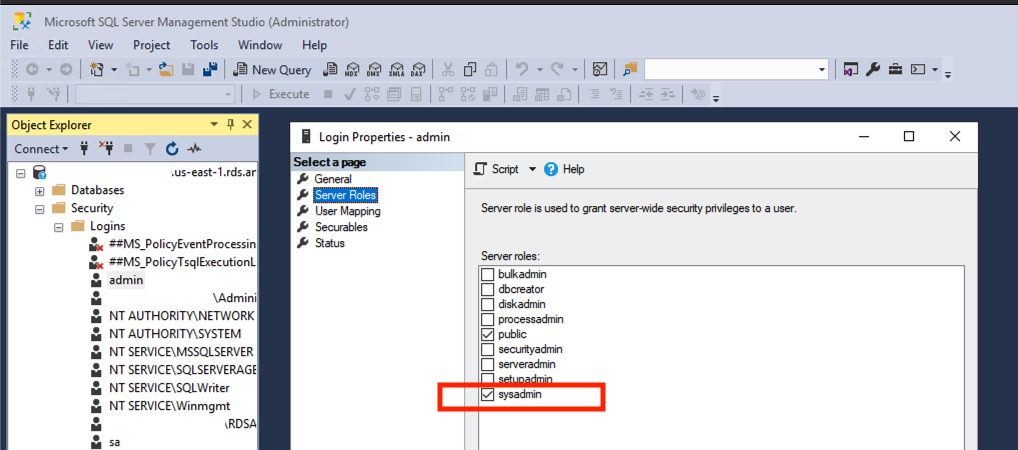
Imagine getting SA (sysadmin) access to your RDS SQL Server Instance! Well, that was not possible in the past, but during AWS re:Invent 2021, Amazon RDS Custom for SQL...
2021-12-22 (first published: 2021-12-08)
522 reads