

Today's editorial was originally released on Dec 4, 2007. It is being republished as Steve is at the PASS Summit.
This is absolutely amazing; over half a million database servers have no firewall. How can you put up a database server, SQL Server, Oracle, DB2, even MySQL, without a firewall?
How can you put any server on the Internet without a firewall? Even most home routers enable a NAT router and basic firewall these days, not allowing connections in by default. In the last 5-6 years, the technology has been widely available, even to uninformed home users, to not deploy any system on the Internet without protection.
So how do these servers get out there? Are these development systems? Are people opening 1433 so they can test an application or access their remote SQL Servers? That’s what I suspect. Many developers I know are optimists and they don’t expect people to be pinging their servers or accessing their systems in any way other than how it’s designed.
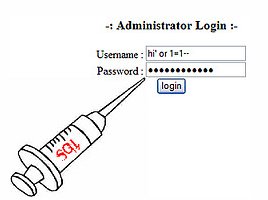
We’ve been hacked here at SQLServerCentral.com a few times over the years with SQL Injection techniques, but never to my knowledge with an attack directly against our SQL Server. For a long time we did have our SQL Server exposed, but not on 1433. It was on a high, random port that was unused by any other service and we had strong passwords on accounts. It was a convenience service, we had login tracking, and I never saw an unexpected attempt in our logs.
However if you run a corporate SQL Server and need to stick servers outside your firm’s firewall in some type of DMZ, at least close off port 1433 to anonymous access. Go spend the $100 out of your pocket for a small router that can at least protect your servers with basic NAT and prevent traffic from getting directly to your database server. It might not be the best solution, but it’s better than nothing.
There’s no excuse these days for putting a server out on the Internet without at least basic NAT protection. Some type of router or firewall should protect every server, and probably every computer, and only allow those services that are really needed. For most servers, this is port 80 and nothing else. Allowing access to SQL Server, RPCs, or any other port that’s not meant for anonymous access, is really stupid.
And if you can’t figure out a way to securely make your service available to partners or customers, then you should hire someone that can. There are plenty of networking professionals out there that can help you set things up correctly.
Know your limits, ask for help, and don’t jeopardize your company’s security because of ignorance, pride, or laziness.
Steve Jones
The Voice of the DBA

The podcast feeds are now available at sqlservercentral.podshow.comto get better bandwidth and maybe a little more exposure :). Comments are definitely appreciated and wanted. You can get feeds from there.

- Video Podcast - 29.3MB, Quicktime
- Video Podcast - 12.6MB WMV
- Audio Podcast - 1MB, MP3
Today's podcast features music by Wakamojo, the Kansas band featuring our very own Adam Angelini, DBA from the heartland and SQLServerCentral.com community member.
I really appreciate and value feedback on the podcasts. Let us know what you like, don't like, or even send in ideas for the show. If you'd like to comment, post something here. The boss will be sure to read it.