Problems displaying this newsletter? View online.
SQL Server Central
Featured Contents
Question of the Day
 
The Voice of the DBA
 

Does the Job Matter To You?

This editorial was originally published on May 20, 2010. It is being republished for the 2026 Labor Day holiday.

Sometime back I was discussing a problem with a friend that related to an employee being upset about being asked to help out with something that wasn’t part of their usual job. Most job descriptions usually include a phrase along the lines of ‘and other duties deemed necessary’, but in practice most people expect to do primarily the job for which they were hired.

Many employees get frustrated when asked to step into another role on a temporary basis. That’s human, but it’s a challenge for a manager who is trying to deal with the short term crisis that has caused the request.

My friend surprised me with his response, he said that job titles held no meaning for him, nor did the work itself. He said that as long as he could make the amount of money he was currently making, a whole range of jobs would be equally as good to him. I was taken aback. For me, work is important, as is the type of work. We all work to take care of family, but not all of us require the same kind of engagement or fulfillment at work. Failing to understand that is just another way for a manager to do a poor job.

So what about you? If you could make the same money and get the same benefits, would you still be seeking the same general type of job? Or would you teach, or be a first responder, a chef at a small restaurant, or even a taxi driver? How much does the type of work matter to you?

Andy Warren

Join the debate, and respond to today's editorial on the forums


 Featured Contents
SQLServerCentral Article

GENERATE_SERIES() Breaks Minimal Logging

Jeff Moden from SQLServerCentral

tl;dr The title says it all. Prologue One of the keys to my personal learning is that, very early in my database career, I taught myself how to make lot’s of rows of Random Constrained Data in a comparatively short time. With the help of a few good folks over time, the method has been […]

External Article

JSON indexing in SQL Server 2025: how it works and current limitations

Additional Articles from SimpleTalk

This guide has everything you need to know about JSON indexing in SQL Server 2025: what it is, how it works, and current limitations.

Blog Post

From the SQL Server Central Blogs - New article – migrating from a named instance

K. Brian Kelley from Databases – Infrastructure – Security

Do you have a case where you have a named instance you'd like to migrate to a default instance? Is there pushback on doing so? Are there concerns that...

Blog Post

From the SQL Server Central Blogs - Using the SIGN() Function: #SQLNewBlogger

Steve Jones - SSC Editor from The Voice of the DBA

I was trolling the docs and noticed the SIGN() function. I have never written this in production code, but it is an interesting function. This post looks at where...

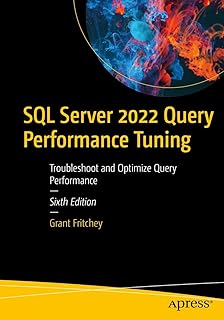
SQL Server 2022 Query Performance Tuning

Grant Fritchey from SQLServerCentral

Troubleshoot slow-performing queries and make them run faster. Database administrators and SQL developers are constantly under pressure to provide more speed. This new edition has been redesigned and rewritten from scratch based on the last 15 years of learning, knowledge, and experience accumulated by the author. The book Includes expanded information on using extended events, automatic execution plan correction, and other advanced features now available in SQL Server.


 Question of the Day

Today's question (by Thomas Franz):


Adding new column with DEFAULT

Which number will the COUNT() return after executing the following statements:
DROP TABLE IF EXISTS #test;
CREATE TABLE #test (id INT)
INSERT INTO #test (id)
SELECT *
  FROM GENERATE_SERIES(1, 3) AS gs
;

ALTER TABLE #test ADD flag BIT CONSTRAINT DF_#test_flag DEFAULT 0;
go
UPDATE #test SET flag = 0 WHERE id = 1
UPDATE #test SET flag = 1 WHERE id = 2

INSERT INTO #test (id) VALUES (4)

SELECT COUNT(*)
  FROM #test AS t
 WHERE flag = 0
 

Think you know the answer? Click here, and find out if you are right.


 Yesterday's Question of the Day (by Steve Jones - SSC Editor)

Hyperscale Replicas I

What types of secondary replicas are available for the Azure SQL Database Hyperscale edition?

Answer: HA replicas, Geo-replicas, and named replicas

Explanation: There are 3 types of replicas available for Hyperscale, as of Sep 2026: High Availability (HA) replicas, Geo-replicas, and named replicas. HA replicas are for high availability in the event the primary fails. Geo replicas ensure data is replicated to other geographical locations. Named replicas are for read-only scale out. Ref: Hyperscale secondary replicas - https://learn.microsoft.com/en-us/azure/azure-sql/database/service-tier-hyperscale-replicas?view=azuresql-db

Discuss this question and answer on the forums


Database Pros Who Need Your Help

Here's a few of the new posts today on the forums. To see more, visit the forums.


Editorials
Preserving Data - Comments posted to this topic are about the item Preserving Data
When the Token Meter is Zero - Comments posted to this topic are about the item When the Token Meter is Zero
Collecting Data Is Hard - Comments posted to this topic are about the item Collecting Data Is Hard
Admin Rights for Everyone - Comments posted to this topic are about the item Admin Rights for Everyone
Article Discussions by Author
Demo Tracking Dropped Objects - Comments posted to this topic are about the item Demo Tracking Dropped Objects
Randomly Selecting Columns and Rows from a Table or View - Comments posted to this topic are about the item Randomly Selecting Columns and Rows from a Table or View
How Can SQL Server Detect Application Errors When Developers Can’t? - Comments posted to this topic are about the item How Can SQL Server Detect Application Errors When Developers Can’t?
Getting Database MaiL Profiles - Comments posted to this topic are about the item Getting Database MaiL Profiles
Understanding Temp Tables and Table Variables in SQL Server - Comments posted to this topic are about the item Understanding Temp Tables and Table Variables in SQL Server
The Data API Builder MCP Server Tools - Comments posted to this topic are about the item The Data API Builder MCP Server Tools
Kerberos Authentication for Aurora PostgreSQL: Mapping AD Groups to Database Roles - Comments posted to this topic are about the item Kerberos Authentication for Aurora PostgreSQL: Mapping AD Groups to Database Roles
RegEx Functions I - Comments posted to this topic are about the item RegEx Functions I
SQL Server 2022 - Administration
Alamat BCA KCU Rawamangun Telp:0821-815-4374 - Telp/WA +62 821-815-4374 Jl. Paus No.81, RT.1/RW.8, Wil, Kec. Pulo Gadung, Kota Jakarta Timur, Daerah Khusus Ibukota Jakarta 13220
Alamat BCA KCP Permata Ujung Menteng Tlp:0817-825-533 - Telp/WA +62 817-825-533 Jl. Raya Bekasi Km. 25 Blok A/17, RW.18, Ujung Menteng, Wil, Kota Jakarta Timur, Daerah Khusus Ibukota Jakarta 13960
Alamat BCA KCP Matraman Telp:0821-755-5651 - Telp/WA +62 821-755-5651 Jl. Matraman Raya No.14-16, RT.2/RW.1, Kb. Manggis, Kec. Matraman, Kota Jakarta Timur, Daerah Khusus Ibukota Jakarta 13150


RSS FeedTwitter

This email has been sent to {email}. To be removed from this list, please click here. If you have any problems leaving the list, please contact the webmaster@sqlservercentral.com. This newsletter was sent to you because you signed up at SQLServerCentral.com.
©2019 Redgate Software Ltd, Newnham House, Cambridge Business Park, Cambridge, CB4 0WZ, United Kingdom. All rights reserved.
webmaster@sqlservercentral.com


- - - - - - - - - - - - - - - - - - - - - - - - - - - - - - - - -